


Cross-Border Collaboration and International Opportunities for Young Entrepreneurs in the South Caucasus
EU4Youth Team, May 6, 2024
The South Caucasus, comprising Armenia, Azerbaijan, and Georgia, has become an increasingly dynamic region for young entrepreneurs seeking to develop their businesses and access international markets. However, despite the region’s vast potential, high youth unemployment rates and limited economic opportunities remain significant challenges. According to the World Bank, tackling unemployment and fostering entrepreneurship are critical for addressing the jobs challenge in the region, particularly in Georgia, where youth unemployment is a major barrier to sustainable economic growth [1]. To address these issues, cross-border collaboration and international support, particularly from the European Union (EU) and other global organizations, have been pivotal in promoting entrepreneurship and providing young entrepreneurs with growth opportunities. This article explores key initiatives, real-world examples, and EU-funded programs that are helping to shape the entrepreneurial ecosystem in the South Caucasus.

Cross-border collaboration in the South Caucasus is essential for young entrepreneurs due to the region’s small and fragmented markets. Working across borders allows entrepreneurs to expand their customer base, share resources, and exchange knowledge. Collaboration across Armenia, Azerbaijan, and Georgia also helps foster regional integration, reduce political tensions, and promote economic development.
The geopolitical tensions that have historically divided the region present challenges, but international projects and organizations are working to overcome these obstacles by creating platforms for cooperation. Regional integration is particularly crucial for startups and small and medium-sized enterprises (SMEs) that lack the resources to thrive in isolated markets. For example, initiatives that encourage cross-border partnerships between entrepreneurs from Armenia, Azerbaijan, and Georgia help address common challenges like limited access to capital, skills, and international markets.
EU-Funded Opportunities for Young Entrepreneurs
The European Union has played a significant role in promoting entrepreneurship and economic collaboration in the South Caucasus. Through various EU-funded initiatives, young entrepreneurs in the region have gained access to training, mentorship, and financial support, empowering them to scale their businesses and expand across borders.
One such initiative is the EU4Youth program, which aims to foster youth employment and entrepreneurship in the Eastern Partnership countries, including Armenia, Azerbaijan, and Georgia. The program focuses on equipping young people with the skills needed to succeed in today’s competitive markets, and it has specifically supported cross-border collaboration through activities like startup accelerators, mentoring programs, and workshops [2].
The EU4Business: Connecting Companies (EU4BCC) project is another EU-funded initiative that helps young entrepreneurs in the South Caucasus. This program connects businesses across borders, allowing entrepreneurs to learn from their counterparts in other countries. It also provides financial support for SMEs, helping them to access new markets and improve their competitiveness. By participating in EU4BCC, young entrepreneurs can benefit from networking opportunities, trade fairs, and international partnerships, which are critical for business growth in the globalized economy [3].
In Georgia, the ICC Centre of Entrepreneurship, launched in partnership with the EU and International Chamber of Commerce (ICC), provides support for young entrepreneurs and small businesses in the Caucasus region. The center focuses on offering mentorship, business development services, and capacity-building initiatives aimed at fostering entrepreneurial skills and promoting international market access. This project underscores the EU’s commitment to developing the region’s entrepreneurial ecosystem and facilitating cross-border collaboration [4].
One successful example of cross-border collaboration is the Caucasus Agriculture Development Project run by CARE Caucasus. This initiative works with young entrepreneurs in rural areas of Georgia, Armenia, and Azerbaijan, helping them to develop sustainable agricultural businesses. By promoting regional cooperation, the project enhances knowledge sharing and provides access to international markets for agricultural products. CARE Caucasus focuses on empowering young farmers by providing technical assistance, fostering innovation, and building partnerships with regional and international stakeholders [5].
Another notable initiative is the Private Sector Development and Technical Vocational Education and Training (PSDTVET) project, implemented by the German Agency for International Cooperation (GIZ). This program promotes the development of entrepreneurial skills among young people in Armenia, Georgia, and Azerbaijan. PSDTVET focuses on aligning vocational education with the needs of the private sector, thus enabling young entrepreneurs to gain practical skills that are in demand across borders. Through partnerships with local businesses and international organizations, the project facilitates internships and apprenticeships, creating a pathway for young people to enter the workforce and expand their businesses regionally [6].

Despite the success of these initiatives, young entrepreneurs in the South Caucasus still face several challenges when it comes to cross-border collaboration. Political tensions between countries in the region, particularly between Armenia and Azerbaijan, can hinder efforts to establish strong economic partnerships. Additionally, the lack of infrastructure and logistical challenges can complicate cross-border trade and collaboration.
However, international organizations such as the EU and GIZ are working to mitigate these challenges by fostering dialogue and building the necessary infrastructure for collaboration. The EU’s focus on promoting regional integration through its Eastern Partnership initiative provides a critical framework for overcoming these obstacles. By focusing on entrepreneurship and economic development, the EU is helping to create a more stable and prosperous region, where young entrepreneurs can thrive.
Furthermore, the rise of digital platforms has created new opportunities for cross-border collaboration. Young entrepreneurs in the South Caucasus can now leverage online tools to reach international markets, find partners, and access funding. Initiatives like the EU4Business project emphasize the importance of digital skills and e-commerce, providing young entrepreneurs with the resources they need to expand their businesses beyond national borders.
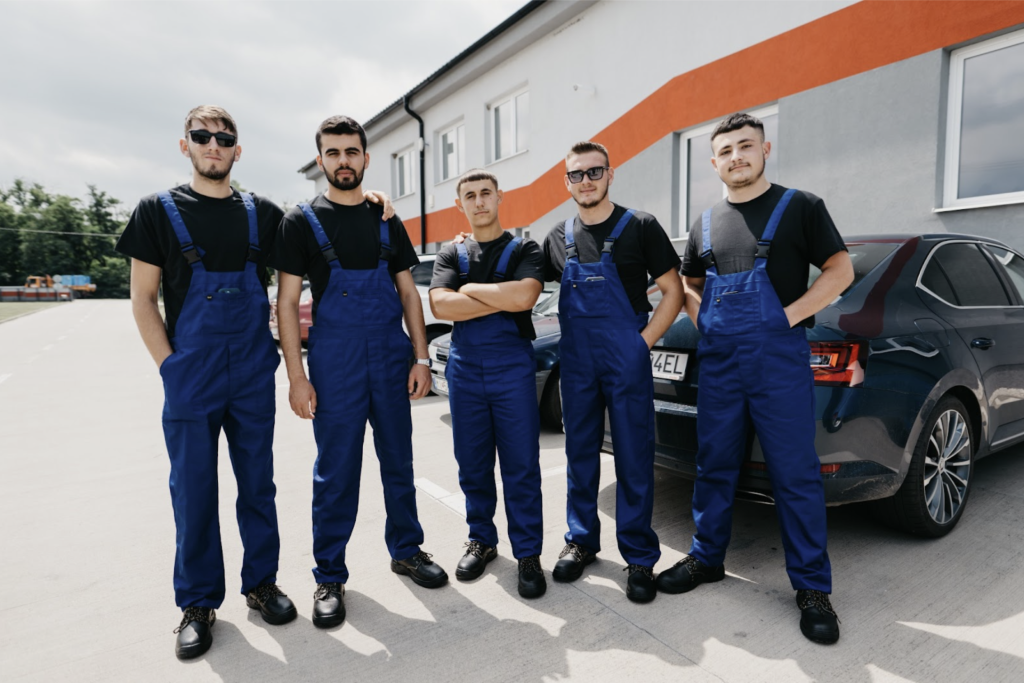
The future of cross-border collaboration and international opportunities for young entrepreneurs in the South Caucasus looks promising. With continued support from the EU, international organizations, and local governments, the region is well-positioned to foster a new generation of entrepreneurs who can drive economic growth and regional integration.
To build on the successes of existing initiatives, it is essential to continue expanding programs that provide financial support, mentorship, and skills development for young entrepreneurs. Additionally, fostering stronger connections between entrepreneurs from Armenia, Azerbaijan, and Georgia through networking events, trade fairs, and regional platforms will further enhance collaboration.
Investing in infrastructure and improving access to markets will also be critical for supporting cross-border trade and collaboration. By addressing these key areas, the South Caucasus can create a more dynamic and interconnected entrepreneurial ecosystem, where young entrepreneurs can thrive and contribute to the region’s economic development.
References
- World Bank. (2015). The Jobs Challenge in the South Caucasus: Georgia. Retrieved from (https://www.worldbank.org/en/news/feature/2015/01/12/the-jobs-challenge-in-the-south-caucasus—georgia).
- EU Neighbours East. (2021). EU4Youth – Unlocking the potential of young social entrepreneurs in the Eastern Partnership countries. Retrieved from (https://euneighbourseast.eu/projects/eu-project-page/?id=2259).
- EU4Business. (2021). EU4Business: Connecting Companies (EU4BCC). Retrieved from (https://www.euneighbours.eu/en/east/stay-informed/news/eu4business).
- International Chamber of Commerce (ICC). (2021). New ICC Centre of Entrepreneurship in Georgia to support small businesses in the Caucasus region. Retrieved from (https://iccwbo.org/news-publications/news/new-icc-centre-of-entrepreneurship-in-georgia-to-support-small-businesses-in-the-caucasus-region/).
- CARE Caucasus. (2021). Caucasus Agriculture Development Project. Retrieved from (https://www.care-caucasus.org.ge/?m=35&lng=eng).
- German Agency for International Cooperation (GIZ). (2021). Private Sector Development and Technical Vocational Education and Training (PSDTVET). Retrieved from (https://www.giz.de/en/downloads/PSDTVET.pdf).